
Your Professional Electric Vehicles Manufacturer in China!
Lanchi (Jinhua) Outdoor Products Co., Ltd. is one of the leading electric bikes and rooftop tent manufacturers and exporters in China. We are a customer-centric, detail-oriented team dedicated to designing and manufacturing the best electric bikes and rooftop tents on the market. Our experienced and professional customer service team of engineers is always available to answer your questions. Every high-performance electric bike and rooftop tent produced by our factory will add color to the lives of our customers.
Why Choose Us
Our Certificate
Our commitment to quality and excellence is reflected in our ISO 9001 certification and CE/ROHS and our own patents certifications for all of our products.
Advanced Equipment
We have advanced production equipment and a professional working environment. The workshop covers an area of 20,000 square meters, with more than 30 CNC machining centers, 2 dust-free surface painting lines and 6 assembly lines. We are committed to ensuring the quality of all products.
Rich Experience
We have focused on electric vehicles for more than 8 years and roof tents for more than 3 years. During this period, we have continuously learned new technologies and introduced new equipment to improve product output and quality.
High-Quality Service
We have a professional service team to provide you with comprehensive services at any time. If you have any questions, you can contact us at any time and we will provide you with professional advice.
-

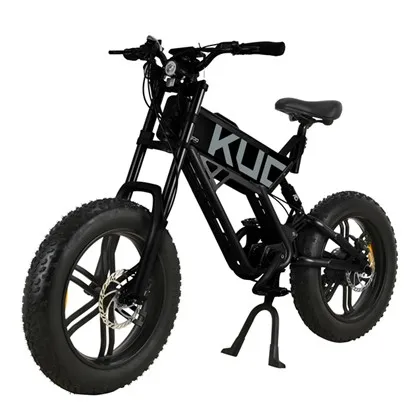
350W Electric Bicycle
350W Electric bike, K01. 350W Gear brushless motor. 24V, 5.2Ah Lithium battery. Add to Inquiry -
2000W Dual Motor Electric Scooter
Dual Motor 1000W*2 Electric scooter G-booster. 48V 14A Lithium battery, per charger 60-65km. 10 Inch. Add to Inquiry -
Electric Golf Carts 6 Seater
Model NO: SY060TJY. Vehicle size: 4350*1300*2080mm. Charging time: 8-10 Hours. Seater: 8. Add to Inquiry -
Aluminum Adult Electric Bike
DUAL LED HEADLIGHT WITH HORN--MORE SAFETY. Visible light to ensure driving safety at night.. AERO ALUMINIUM FRAME, our EXCLUSIVELY design, LIGHTER whole vehicle weight.. LCD DIGITAL DISPLAYER. Show Add to Inquiry -
1500W Adult Electric Scooter
G2 MAX 1500W Adult’s Electric scooter. Speed:45km/h. Motor:1500W. Battery: Lithium battery 48V 13Ah/ 48V 19Ah/ 48V 21A. Range:55km-80km Add to Inquiry -
Aluminum Adult Electric Bike
Electric bikes can be manufactured using different frame materials. The commonly used ones are: carbon fiber, steel, and aluminum. However, aluminum frame e-bikes seem to be more popular these days, Add to Inquiry -
Electric Adult Foldable Scooter
An electric adult foldable scooter is a small and compact urban ride, smaller and lighter than a motorcycle and designed to help people move around in tight streets and spaces. They are becoming more Add to Inquiry -
Best Economical Electric Scooter
Compared to driving cars, which doesn't involve a lot of physical movement, riding these commuters helps to improve your balance and posture. This is because when riding a scooter, you have to Add to Inquiry -
1000W Electric Scooter For Adults
1000W Electric scooter G2 PRO. 1000W Motor. 48V 13A Lithium battery, Max speed 45km/h. Add to Inquiry -
1000W Electric Moped for Adults
1000W Electric scooter G2 PRO. 48V 13A Lithium battery, Max speed 45km/h. 10 Inch wheel size. Add to Inquiry -
Black 1000W Electric Scooter Bicycle
1000W Electric scooter G2 PRO. 48V 13A Lithium battery, Max speed 45km/h. 10 Inch wheel size. Add to Inquiry -
500W Folding Electric Scooter
48V 16A Lithium battery, per charger 65-80km. 10 Inch air tyre. Add to Inquiry




Introduction of Electric Vehicles
An electric vehicle (EV) is a vehicle that uses one or more electric motors for propulsion. The vehicle can be powered by a collector system, with electricity from extravehicular sources, or can be powered autonomously by a battery or by converting fuel to electricity using a generator or fuel cells. EVs include road and rail vehicles, electric boats and underwater vessels, electric aircraft and electric spacecraft.
Benefits of Electric Vehicles
Lower Running Costs
The running cost of an electric vehicle is much lower than an equivalent petrol or diesel vehicle. Electric vehicles use electricity to charge their batteries instead of using fossil fuels like petrol or diesel. Electric vehicles are more efficient, and that combined with the electricity cost means that charging an electric vehicle is cheaper than filling petrol or diesel for your travel requirements. Using renewable energy sources can make the use of electric vehicles more eco-friendly.
Low Maintenance Cost
Electric vehicles have very low maintenance costs because they don't have as many moving parts as an internal combustion vehicle. The servicing requirements for electric vehicles are lesser than the conventional petrol or diesel vehicles. Therefore, the yearly cost of running an electric vehicle is significantly low.
Zero Tailpipe Emissions
Driving an electric vehicle can help you reduce your carbon footprint because there will be zero tailpipe emissions. You can reduce the environmental impact of charging your vehicle further by choosing renewable energy options for home electricity.
Tax and Financial Benefits
Registration fees and road tax on purchasing electric vehicles are lesser than petrol or diesel vehicles. There are multiple policies and incentives offered by the government depending on which state you are in. To find out more about electric vehicle incentives, click below.
Electric Vehicles Are Easy to Drive and Quiet
Electric vehicles don't have gears and are very convenient to drive. There are no complicated controls, just accelerate, brake, and steer. When you want to charge your vehicle, just plug it in to a home or public charger. Electric vehicles are also quiet, so they reduce noise pollution that traditional vehicles contribute to.
Convenience of Charging At Home
Simply plug your vehicle in at your home charger for 4-5 hours before you plan to go. If you are able to get a charger where you park at home, it is very convenient to plan your journeys in advance. What if you forget to plug in your machine someday? Then you can easily take the help of fast chargers or even battery swapping services if you are on a two-wheeler on the road.
No Noise Pollution
Electric vehicles have the silent functioning capability as there is no engine under the hood. No engine means no noise. The electric motor functions so silently that you need to peek into your instrument panel to check if it is ON. Electric vehicles are so silent that manufacturers have to add false sounds in order to make them safe for pedestrians.
Types of Electric Vehicles
Battery Electric Vehicles (BEVs)
BEVs are also known as All-Electric Vehicles (AEV). Electric Vehicles using BEV technology run entirely on a battery-powered electric drivetrain. The electricity used to drive the vehicle is stored in a large battery pack which can be charged by plugging into the electricity grid. The charged battery pack then provides power to one or more electric motors to run the electric car. To find out more about BEVs, click below.
Hybrid Electric Vehicle (HEV)
HEVs are also known as series hybrid or parallel hybrid. HEVs have both engine and electric motor. The engine gets energy from fuel, and the motor gets electricity from batteries. The transmission is rotated simultaneously by both engine and electric motor. This then drives the wheels. To find out more about HEVs, click below.


Plug-in Hybrid Electric Vehicle (PHEV)
The PHEVs are also known as series hybrids. They have both engine and a motor. You can choose among the fuels, conventional fuel (such as petrol) or alternative fuel (such as bio-diesel). It can also be powered by a rechargeable battery pack. The battery can be charged externally. To find out more about PHEVs, click below.
Fuel Cell Electric Vehicle(FCEV)
FCEVs are also known as Zero-Emission Vehicles. They employ ‘fuel cell technology' to generate the electricity required to run the vehicle. The chemical energy of the fuel is converted directly into electric energy. To find out more about FCEVs, click below.
The Key Components of An Electric Vehicle
Battery Pack
The battery pack, consisting of lithium-ion batteries, is the most important and expensive component of an EV, storing energy and giving power to the entire vehicle including the electric motor that allows the vehicle to move. Though battery packs are exclusive to EV vehicles, ICE vehicles do have a much smaller battery present that both powers the starter, as well as some of the electronic components while the vehicle is off. The alternator takes over once the ICE vehicle is running.
Electric Motor(s)
EVs use an electric motor (or two, depending on EV model or drive type), to drive the wheels, similar to the engine of an ICE vehicle. Electrical energy is transferred from the battery to the motor(s) and is then converted to mechanical energy. The number of motors and their placement determines whether the EV is front-wheel, rear-wheel, or all-wheel drive. Electric motors are far less complex than internal combustion engines and do not require maintenance, contrary to the latter.
Power Electronics
The power electronics in an EV are composed of inverters, converters, controllers, and the onboard charger. These components contribute to the flow of electricity throughout the vehicle, primarily from the battery to the electric motor, as well as other powered components of the vehicle, such as the heating and ventilation system, lighting, infotainment, etc. More specifically, power electronics are responsible for converting direct current to alternating current (DC to AC inverter) or the inverse (AC to DC converting), as well as DC/DC converters which either increase battery voltage (boost) or decrease battery voltage (buck).
Charging System
The charging system is made up of the charging port where the cable is plugged in, the charging cable, and the onboard charger that converts AC power from the electrical grid into DC energy which is then sent to and stored in the battery. DC fast charging means AC power is converted to DC outside the vehicle and sent directly to the EV battery, bypassing the onboard charger. Learn more about EV charging in our previous article of the series.
Thermal Management System
The thermal management system, comprising radiators, fans, and coolant pumps, is a crucial component of EVs. This system helps regulate the temperature of the battery pack, electric motor, and power electronics to ensure they are operating at an optimal temperature for the best performance as well as increasing longevity. Without a thermal management system, these components would be susceptible to damage through overheating or excessive cooler conditions. Not only does the regulation of temperature protect the vehicle's most valuable parts, but it also helps maximize efficiency and range by minimizing energy loss. While ICE vehicles may not be as greatly impacted by extreme weather conditions, performance, and fuel efficiency can still be reduced.
Regenerative Braking System
You may already be familiar with regenerative braking as one of the key functionalities of a hybrid vehicle. This system converts the kinetic energy generated during braking into electrical energy that is stored in the battery, which in turn reduces the amount of energy required from the battery. Unlike traditional ICE vehicles, the regenerative braking systems store energy back into the battery that would otherwise have been lost. These systems also help reduce wear on the brakes by leveraging the electric motor to slow down the vehicle when activated, such as driving down a hill or approaching a stop sign.
Electric Vehicle Control Unit (VCU)
The vehicle control unit (VCU) is responsible for controlling and coordinating processes relating to the functional aspects of an EV. In other words, it acts as the brain of the vehicle. The VCU receives information (such as battery temperature, motor speed, vehicle speed, etc.) from various sensors and systems, and ensures that the vehicle operates efficiently and safely. Additionally, the VCU communicates with other control units including the battery management system (BMS) and motor controller to ensure all systems are working together.
What Should be Considered When Choose Electric Vehicles
Driving Range
The driving range is an important consideration for electric vehicle selection. Instead of relying solely on the manufacturer-specified driving range, consider reviews to better understand the actual driving distance the EV can cover. This pragmatic approach is essential for informed considerations in electric vehicle selection, as it provides a more accurate depiction of the car's capabilities on the road.
Tax Benefits
The government helps lower electric vehicle costs with incentives and tax breaks. Verify the tax benefits to know how much you will save when buying an eco-friendly car. These government efforts make electric cars more affordable and encourage people to choose greener transportation, which is good for the environment.
Battery
The most expensive part of an electric car is the battery. So, when looking for an electric car, get more details about the battery range and specifications. Find the cost of replacing the battery and how long it will last. It is better to research electric cars with batteries that meet your needs and preferences. The battery pack usually comes with a warranty from the manufacturer that covers the time or driving distance. So, always pay attention to the battery pack's warranty period.
Charging Options
There are different charging options for EVs, including standard charging, slow charging, and fast charging. You can find most of the fast chargers in public places, which are expensive to install. To install chargers in the home, standard and slow charging is feasible. So, do look for the various charging options before buying an EV.
Hardware and Software
Electric vehicles come with many software and hardware components. The important part of using it is that it has to be updated frequently. Some manufacturers offer the updates for free, and others charge a little amount, so be aware of the important software and hardware and its updates.
Maintenance Cost
When choosing an electric vehicle (EV), one important consideration for electric vehicle selection is the maintenance cost. Just like any car, if you don't take care of an EV, its performance can be affected. Electric cars usually need less maintenance due to fewer moving parts, but if they do break down, repairs can be costly. The spare parts for EVs are more costly compared to traditional ICE cars, and finding mechanics skilled in repairing them can be a challenge. So, when considering which electric vehicle to choose, remember that maintenance costs play a significant role in the overall decision-making process. But with an increase in popularity of EV cars over the years, the availability of skilled mechanics will get increased, hence you can witness a significant reduction in maintenance cost.
Usability
When evaluating an electric car's practical usability, it is essential to align it with your specific needs. Consider the distance you usually cover daily, and know your regular driving range. If you are living in a metro city, then it would be the right choice to buy an electric car to commute to nearby places. The convenience of emission-free urban travel makes it an apt choice. However, the practicality of the decision can differ for others based on their unique requirements and driving patterns.
Electric or Hybrid
Choosing between electric and hybrid cars depends on your environmental concerns and driving needs. Electric cars are an ideal choice for environmentally conscious buyers as they reduce carbon footprint. They offer a fully electric driving experience but may require charging infrastructure. On the other hand, hybrid cars present a greener alternative to traditional ICE vehicles. They combine an electric motor with an ICE engine for improved efficiency. But opting for an electric car not only minimizes direct emissions but is also sustainable in the long run.
Insuring an Electric Car
The insurance cost of electric cars is higher than that of ICE cars. That doesn't mean that they are less safe and prone to accidents than other cars. The increased insurance premium is mainly because electric cars have higher price tags than regular cars. Also, the cost of repair is much higher for electric cars.
How to Maintain Electric Vehicles
Prioritize EV Battery Care
Your electric car's high-voltage battery pack is probably the most essential component of your entire vehicle. Not only is it the power source of your EV, but it also saves you money by omitting fuel stops (in some EVs). Therefore, the battery pack should be top of mind.
Don't Overcharge Your Battery.
Unless you're driving for an extended amount of time, there's no need to charge your battery to 100 percent. Although this may feel counterintuitive, consistently charging your EV's battery to its max may cause it to wear at a faster rate. Ideally, you'll want to keep your battery pack's charge in the 20 percent to 80 percent range.
Don't Undercharge Your Battery for Extended Periods.
Avoid leaving your EV's battery with little to no charge for long periods of time. Doing so may also affect your car battery's health and cause degradation at a faster rate. Try keeping your battery's charge at no less than 20% on a regular basis.
Pay Attention to Where You Park.
Heat can eventually wreak havoc on your EV's battery performance, while low temperatures can lower your battery's range. Look for covered parking during extreme weather conditions to help your battery pack stay in the best shape possible. Your high-voltage battery pack may also have its own cooling system, which could require occasional inspection and maintenance.
Change the Oil (If Needed)
Do electric vehicles use oil? It depends, particularly on what type of electric car you have. A plug-in hybrid electric vehicle (PHEV) with a combustion engine will need occasional oil changes and cooling system and fuel and air intake system inspections.
Maintain Your Brakes
The kinetic energy that EV regenerative braking systems use creates electricity. This conversion of energy provides your battery pack with more power. However, EVs (and hybrids) with regenerative braking systems still have conventional friction brakes with brake fluid, rotors, pads, drums, shoes, etc. The regenerative brakes and conventional friction brakes work in parallel on your EV. And similar to standard vehicles, getting conventional brake inspections should be a regular part of your EV's scheduled maintenance.
Get Regular Tire Rotation
Getting regular tire rotations may help to reduce tire wear, ensure even tread depth across all four tires, and potentially keep money in your pocket by minimizing frequent tire replacements. All of which is why you should continue to perform tire rotations for your ride. Tire rotation schedules for EVs are often similar to those of gas or hybrid vehicles: about every 6,000 miles. But you'll want to follow your manufacturer's suggested maintenance schedule for a more vehicle-specific timeline. In addition to tire rotations, maintaining the appropriate pressure, wheel alignment, and balance of your tires may help to sustain performance and longevity.
Inspect/Refill Fluids When Needed
Your hybrid or electric car may still have an engine, which could require oil changes and cooling system inspections. It may not have a traditional automatic transmission, but it likely has a gear reduction ‘transmission' or gearbox containing lubricant. The high-voltage power electronics and electric motors are typically cooled by a separate cooling system. The high-voltage battery pack is typically cooled as well, and that system may use air from the passenger cabin, an air conditioning system, or even use another coolant circulating system. You'll still want to keep an eye on the brake and windshield wiper fluid. All service schedules can be found in your car's owner's manual.
Ultimate FAQ Guide to Electric Vehicles
As one of the most professional electric vehicles manufacturers and suppliers in China, we're featured by quality products and good service. Please rest assured to wholesale customized electric vehicles from our factory. Contact us for pricelist.
electric vehicle standards, electric vehicle parts, electric vehicle trends