

Are mini electric motocross bikes legal in all areas? This is a question that many enthusiasts, especially those interested in our products as a mini electric motocross bike supplier, often ask. In this blog, we'll delve into the legal aspects of these exciting machines across different regions.
Understanding Mini Electric Motocross Bikes
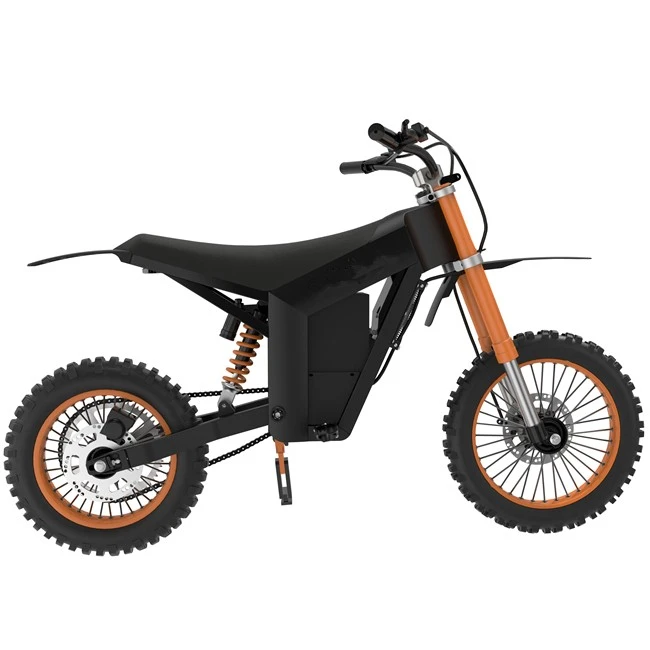
Mini electric motocross bikes are a thrilling alternative to traditional gasoline - powered dirt bikes. They offer a quieter, more eco - friendly option with instant torque and lower maintenance requirements. Our company offers a range of models, including the Big Electric Dirt Bike for Adults, 1500W Electric Dirt Bike for Teens, and 1500W 48V Electric Dirt Bike. These bikes are designed for both beginners and more experienced riders, with varying power levels and features to suit different needs.
Legal Considerations by Region
United States
In the United States, the legality of mini electric motocross bikes varies from state to state. Some states have specific laws regarding off - road vehicles, which these bikes typically fall under. For example, in California, off - road vehicles must meet certain emissions and noise standards. Mini electric motocross bikes, being electric, generally have an advantage here as they produce zero emissions and are much quieter than their gasoline counterparts. However, they still need to be used in designated off - road areas.
In many states, if the bike is used on private property, the owner has more leeway. But when it comes to public lands, there are often strict regulations. Some national forests and Bureau of Land Management (BLM) areas have specific rules about vehicle use. Riders may need to obtain a permit, and the bikes must comply with safety equipment requirements such as helmets, lights, and reflectors.
Europe
In Europe, the legal situation is also complex. The European Union has some general regulations regarding vehicle safety and emissions, but individual countries can implement their own additional rules. In the United Kingdom, for instance, mini electric motocross bikes are considered off - road vehicles. They cannot be ridden on public roads unless they are registered, taxed, and insured, which is a rare scenario for these types of bikes. Most riders use them on private tracks or off - road areas with the landowner's permission.
In countries like Germany, there are strict noise and safety regulations for off - road vehicles. Electric bikes may have an easier time meeting the noise requirements, but they still need to pass safety inspections. Some areas in Germany have specific zones where off - road vehicle use is permitted, and riders must adhere to these designations.

Asia
In Asia, the legal landscape is diverse. In Japan, off - road vehicles, including mini electric motocross bikes, are subject to strict safety and registration requirements. Riders need to ensure that their bikes meet the Japanese Industrial Standards (JIS). There are also designated off - road areas where these bikes can be used.
In China, with the rapid development of the electric vehicle industry, the regulations for mini electric motocross bikes are evolving. Some local governments are starting to regulate off - road vehicle use to ensure safety and environmental protection. Riders are often required to use these bikes in approved off - road parks or private areas.
Factors Affecting Legality
Power and Speed
The power and speed of a mini electric motocross bike can significantly impact its legality. In many regions, there are limits on the maximum power output of off - road vehicles. Bikes with higher power may be subject to more stringent regulations or may even be prohibited in certain areas. For example, a high - powered bike that can reach extremely high speeds may pose a greater safety risk, especially in areas with other users such as hikers or mountain bikers.
Safety Equipment
Safety equipment is another crucial factor. Most areas require riders to wear helmets, and some may also mandate the use of other protective gear such as knee and elbow pads. Additionally, the bikes themselves may need to be equipped with safety features like brakes, lights, and reflectors. These requirements are in place to protect the rider and other people in the vicinity.
Environmental Impact
Although mini electric motocross bikes are generally more eco - friendly than gasoline - powered ones, there are still environmental considerations. Some areas may have rules about vehicle use to protect wildlife habitats or prevent soil erosion. For example, riding in wetland areas or on fragile ecosystems may be prohibited regardless of the type of vehicle.
Ensuring Compliance
As a supplier, we are committed to providing our customers with accurate information about the legal requirements for our products. When customers purchase a mini electric motocross bike from us, we offer guidance on how to ensure compliance with local laws. This includes providing information about safety equipment, recommended riding areas, and any necessary permits.
We also work with local authorities and industry associations to stay updated on the latest legal changes. By doing so, we can pass on this information to our customers, helping them to enjoy their bikes legally and safely.
Conclusion
In conclusion, mini electric motocross bikes are not legal in all areas. The legality depends on a variety of factors including regional regulations, power and speed, safety equipment, and environmental impact. As a supplier, we understand the importance of helping our customers navigate these complex legal landscapes.
If you're interested in purchasing a mini electric motocross bike and want to learn more about the legal requirements in your area, or if you have any questions about our products, we encourage you to contact us. We're here to assist you in making an informed decision and ensuring that you can enjoy your bike within the bounds of the law. We look forward to discussing your needs and helping you find the perfect mini electric motocross bike for your adventures.
References
- State - by - state off - road vehicle laws in the United States.
- European Union vehicle safety and emissions regulations.
- National laws and regulations in countries such as the UK, Germany, Japan, and China.
- Industry reports on the development of electric vehicle regulations in Asia.