

Can I use a mini electric motocross bike in a wetland?
As a supplier of mini electric motocross bikes, I often receive inquiries from customers about the usage scenarios of our products. One question that has come up frequently is whether it's feasible to use a mini electric motocross bike in a wetland. This is a complex question that requires a comprehensive analysis from multiple perspectives, including environmental impact, bike performance, and legal regulations.
Environmental Impact
Wetlands are incredibly important ecosystems that provide a wide range of ecological services. They act as natural water filters, help control floods, and serve as habitats for numerous plant and animal species. Using a mini electric motocross bike in a wetland can cause significant damage to these delicate ecosystems.
The tires of a motocross bike can compact the soil in wetlands. Compacted soil reduces the ability of water to infiltrate the ground, which can disrupt the natural water flow patterns in the wetland. This, in turn, can affect the water quality and availability for the plants and animals that depend on the wetland. Moreover, the churning action of the tires can uproot plants, destroy nesting sites for birds, and disturb the habitats of amphibians and other small creatures.
For example, many wetland plants have shallow root systems that are easily damaged by the pressure and movement of bike tires. Once these plants are removed, it can lead to soil erosion, which further degrades the wetland environment. Additionally, the noise and disturbance caused by the bike can scare away wildlife, disrupting their normal behavior patterns such as feeding, breeding, and migration.
Bike Performance
From a technical perspective, using a mini electric motocross bike in a wetland also poses several challenges to the bike's performance. Wetlands are characterized by soft, muddy terrain and standing water, which can be extremely difficult for a bike to navigate.
The wet and muddy conditions can quickly clog the bike's air filter, reducing the engine's efficiency and potentially causing it to overheat. The water and mud can also damage the electrical components of the bike, such as the battery and the motor controller. These components are not designed to be submerged in water for extended periods, and exposure to moisture can lead to short circuits and permanent damage.
Even if the bike is equipped with a waterproof battery and electrical system, the soft and slippery terrain in wetlands can make it difficult to maintain traction. The bike may get stuck in the mud, and attempting to free it can cause further damage to the bike and the wetland environment. Our 1500W Electric Dirt Bike for Teens is designed for off - road use, but the extreme conditions of a wetland are beyond its intended operating environment.
Legal Regulations
In many areas, there are strict laws and regulations regarding the use of motorized vehicles in wetlands. These regulations are in place to protect the ecological integrity of the wetlands and to ensure the long - term sustainability of these important ecosystems.
Violating these regulations can result in significant fines and legal consequences. Before considering using a mini electric motocross bike in a wetland, it is essential to check with the local environmental protection agency or land management authority to determine if such use is permitted. In most cases, wetlands are designated as protected areas, and motorized vehicle access is either restricted or completely prohibited.
Alternatives
While using a mini electric motocross bike in a wetland is not advisable, there are many other suitable off - road locations where you can enjoy the thrill of riding. Our Off Road Electric Dirt Bike and 1500W 48V Electric Dirt Bike are designed for use on proper off - road trails, dirt tracks, and designated motocross parks.
These locations are specifically designed and maintained for off - road riding, with terrain that is more suitable for the performance of the bike. They also have fewer environmental impacts compared to wetlands, as they are managed to balance the recreational needs of riders with the protection of the environment.
Conclusion
In conclusion, using a mini electric motocross bike in a wetland is not a good idea. It can cause significant damage to the wetland ecosystem, pose challenges to the bike's performance, and may even lead to legal issues. As a responsible supplier, we encourage our customers to use our bikes in appropriate off - road locations where they can have a great riding experience without harming the environment.
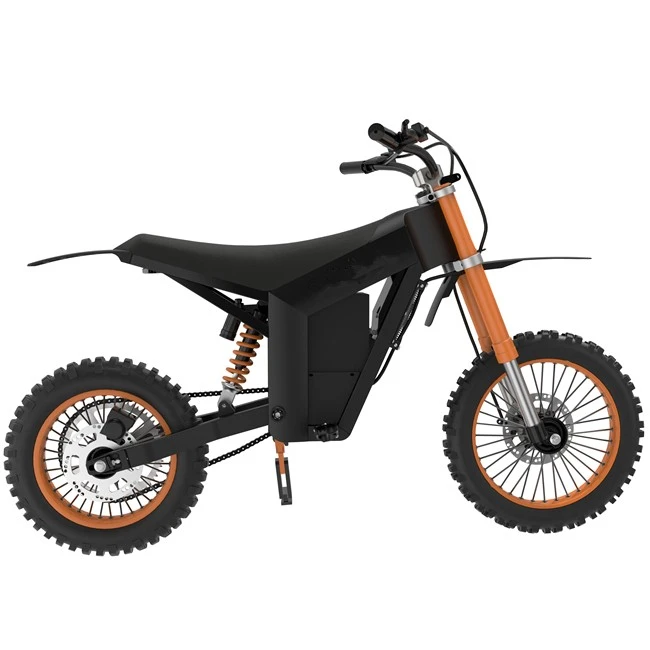
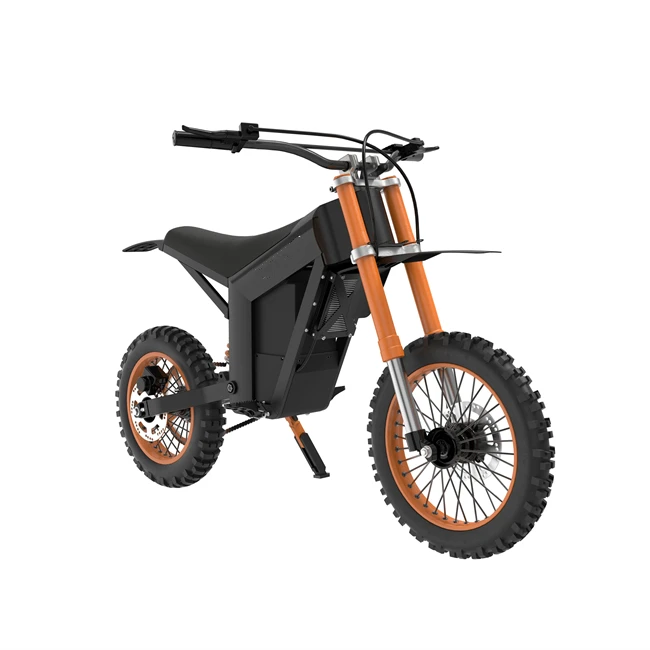
If you are interested in purchasing a high - quality mini electric motocross bike, we offer a wide range of models to suit different needs and preferences. Our bikes are designed with the latest technology and high - quality components to ensure a safe and enjoyable riding experience. Whether you are a beginner or an experienced rider, we have the perfect bike for you. Contact us today to start a procurement negotiation and find the ideal mini electric motocross bike for your adventures.
References
- Environmental Protection Agency. (2023). Wetland Ecosystems and Their Importance.
- National Wildlife Federation. (2023). Protecting Wetlands from Human Disturbance.