

Charging an electric scooter is a fundamental aspect of owning and operating one. As a supplier of electric scooters, I understand the importance of providing clear and comprehensive guidance on this topic. In this blog post, I'll walk you through the process of charging an electric scooter, including the types of chargers, charging times, and best practices to ensure the longevity of your scooter's battery.
Types of Chargers
Most electric scooters come with a standard charger that is specifically designed for the scooter's battery. These chargers are typically AC chargers, which means they plug into a standard wall outlet. The charger converts the alternating current (AC) from the wall outlet into direct current (DC), which is the type of electricity that the scooter's battery uses.
There are two main types of chargers: slow chargers and fast chargers. Slow chargers, also known as trickle chargers, are designed to charge the battery slowly over a long period of time. They are typically less expensive and are better for the battery's long-term health. Fast chargers, on the other hand, are designed to charge the battery quickly. They are more expensive and can put more stress on the battery, which can reduce its lifespan.
Charging Times
The charging time of an electric scooter depends on several factors, including the battery's capacity, the charger's output, and the scooter's charging system. In general, a fully depleted battery can take anywhere from 2 to 8 hours to charge.
For example, a 500W Folding Electric Scooter with a 10Ah battery and a standard charger may take around 4 to 6 hours to charge from empty to full. A Dual Motor Folding Electric Scooter with a larger battery and a fast charger may take less time, perhaps 2 to 4 hours.

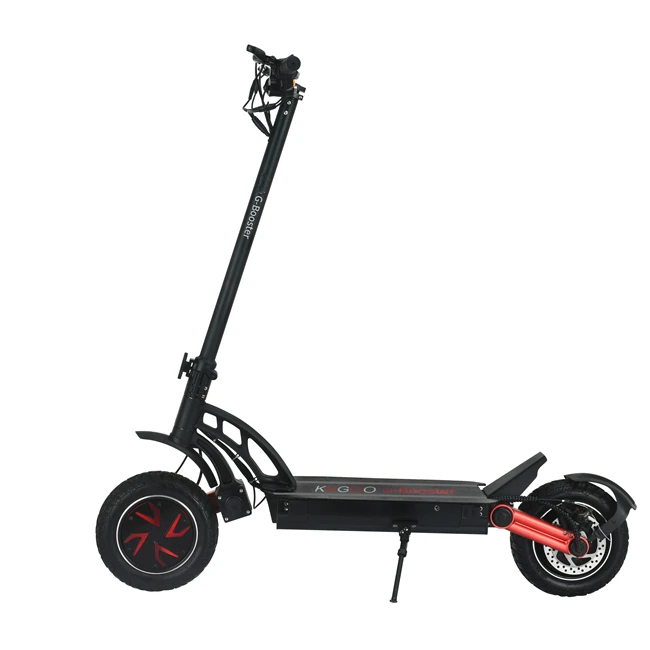
It's important to note that charging times can vary depending on the specific model of the scooter and the charger. Always refer to the scooter's user manual for the most accurate charging time information.
Charging Process
Charging an electric scooter is a relatively simple process. Here's a step-by-step guide:
- Prepare the Scooter: Make sure the scooter is turned off and the key is removed from the ignition. This will prevent any electrical issues during the charging process.
- Locate the Charging Port: The charging port is usually located on the scooter's deck or near the battery compartment. It may be covered by a protective cap. Remove the cap to access the port.
- Connect the Charger: Plug the charger's plug into the charging port on the scooter. Make sure the connection is secure.
- Plug in the Charger: Plug the charger's other end into a standard wall outlet. The charger may have an indicator light that will turn on to show that it is connected and charging.
- Monitor the Charging: Keep an eye on the charger and the scooter while it is charging. If you notice any unusual smells, sounds, or heat coming from the charger or the scooter, stop the charging process immediately and contact a professional.
- Unplug the Charger: Once the battery is fully charged, unplug the charger from the wall outlet and then from the scooter. Replace the protective cap on the charging port.
Best Practices for Charging
To ensure the longevity of your scooter's battery and to prevent any potential safety issues, it's important to follow these best practices:
- Charge in a Safe Location: Always charge your scooter in a well-ventilated area away from flammable materials. Avoid charging the scooter in direct sunlight or in extreme temperatures.
- Use the Right Charger: Always use the charger that came with your scooter or a charger that is specifically designed for your scooter's battery. Using the wrong charger can damage the battery and void the warranty.
- Don't Overcharge: Overcharging the battery can reduce its lifespan and increase the risk of a fire. Once the battery is fully charged, unplug the charger immediately.
- Charge Regularly: It's a good idea to charge your scooter regularly, even if you don't use it every day. This will help keep the battery in good condition.
- Avoid Deep Discharges: Try to avoid letting the battery completely discharge before charging it. Deep discharges can also reduce the battery's lifespan.
Troubleshooting Charging Issues
If you're having trouble charging your electric scooter, here are some common issues and solutions:
- Charger Not Working: Check to make sure the charger is plugged into a working wall outlet and that the connection to the scooter is secure. If the charger still doesn't work, try using a different outlet or a different charger.
- Battery Not Charging: If the battery is not charging, it could be due to a faulty charger, a damaged battery, or a problem with the scooter's charging system. Contact the manufacturer or a professional repair service for assistance.
- Overheating: If the charger or the battery overheats during charging, stop the charging process immediately and let the charger and the battery cool down. Check for any signs of damage or malfunction. If the problem persists, contact a professional.
Conclusion
Charging an electric scooter is a simple process, but it's important to do it correctly to ensure the longevity of the battery and to prevent any potential safety issues. By following the tips and guidelines in this blog post, you can keep your scooter's battery in good condition and enjoy many miles of worry-free riding.
If you're interested in purchasing an electric scooter or have any questions about our products, please feel free to contact us. We're here to help you find the perfect scooter for your needs and to provide you with the support and information you need to keep it running smoothly.
References
- Electric Scooter User Manuals
- Battery Manufacturer Specifications
- Industry Best Practices for Electric Scooter Charging