

How often should I replace the batteries in an electric golf cart?
As a supplier of electric golf carts, I often receive questions from customers about battery replacement. It's a crucial topic because the battery is the heart of an electric golf cart, significantly influencing its performance and lifespan. In this blog, I'll delve into the factors that determine how often you should replace the batteries in an electric golf cart.
Understanding the Types of Batteries Used in Electric Golf Carts
Before discussing replacement intervals, it's essential to understand the two main types of batteries commonly used in electric golf carts: lead - acid batteries and lithium - ion batteries.
Lead - acid batteries are the traditional choice for electric golf carts. They are relatively inexpensive, widely available, and have been used in the industry for a long time. There are two subtypes: flooded lead - acid (FLA) batteries and sealed lead - acid (SLA) batteries, which include absorbed glass mat (AGM) and gel batteries. FLA batteries require regular maintenance, such as checking and topping up the electrolyte levels, while SLA batteries are maintenance - free.
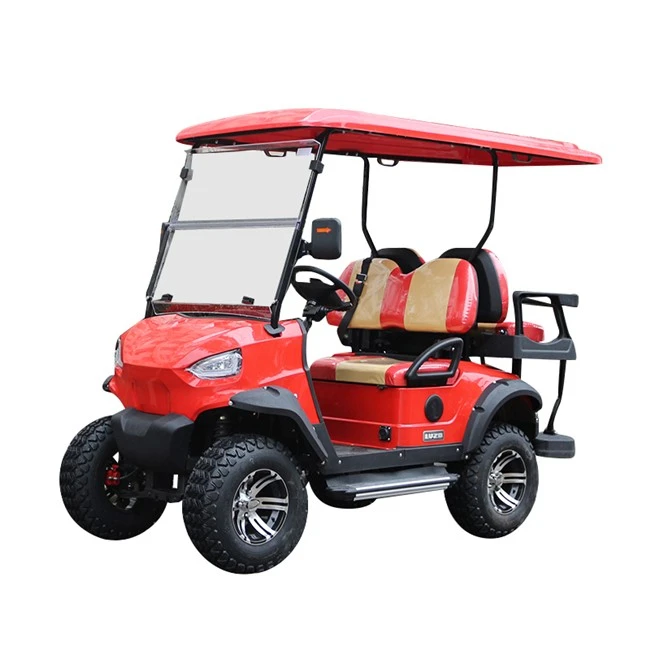

Lithium - ion batteries, on the other hand, are a more modern option. They are lighter, have a longer lifespan, and can provide more consistent power output compared to lead - acid batteries. However, they are more expensive upfront.
Factors Affecting Battery Lifespan
Several factors can affect how long the batteries in an electric golf cart will last, and thus, how often they need to be replaced.
-
Usage Patterns
- Frequency of Use: If you use your electric golf cart frequently, say several times a week, the batteries will wear out faster compared to a cart that is used only occasionally. For example, a golf course that uses its fleet of carts every day during the peak season will need to replace the batteries more often than an individual who uses their cart on weekends for a round of golf.
- Load Capacity: The weight carried by the golf cart also impacts battery life. A 6 Person Electric Golf Cart that is frequently full of passengers and their equipment will put more strain on the batteries than a single - rider cart. The additional load requires the motor to work harder, which in turn drains the batteries more quickly.
-
Charging Habits
- Overcharging and Undercharging: Overcharging lead - acid batteries can cause the water in the electrolyte to evaporate, leading to damage to the battery plates. Undercharging, on the other hand, can result in sulfation, where lead sulfate crystals build up on the battery plates, reducing the battery's capacity. Lithium - ion batteries are more tolerant of improper charging, but they still require a proper charging regime to maximize their lifespan.
- Charging Frequency: Frequent short - charge cycles can also reduce battery life. It's better to fully discharge and then fully charge lead - acid batteries, although this is not as critical for lithium - ion batteries.
-
Environmental Conditions
- Temperature: Extreme temperatures can have a significant impact on battery performance and lifespan. High temperatures can accelerate the chemical reactions inside the battery, leading to faster degradation. Low temperatures, on the other hand, can reduce the battery's capacity. For example, in hot summer months, the batteries in an electric golf cart left outside in the sun may degrade more quickly.
General Replacement Intervals
-
Lead - Acid Batteries
- Flooded Lead - Acid Batteries: Under normal usage conditions, flooded lead - acid batteries typically last between 3 to 5 years. However, if they are not properly maintained, their lifespan can be significantly shorter. Regularly checking and topping up the electrolyte levels, as well as following a proper charging schedule, can help extend their life.
- Sealed Lead - Acid Batteries: AGM and gel batteries usually last around 4 to 6 years. They are more forgiving than flooded lead - acid batteries when it comes to maintenance, but they still require proper charging to reach their maximum lifespan.
-
Lithium - Ion Batteries
Lithium - ion batteries can last much longer than lead - acid batteries. Under normal usage and proper charging conditions, they can last anywhere from 8 to 15 years. This longer lifespan makes them a more cost - effective option in the long run, despite their higher upfront cost.
Signs That Your Batteries Need Replacement
Even if you are within the general replacement intervals, there are some signs that indicate your batteries may need to be replaced sooner.
- Reduced Range: If you notice that your electric golf cart doesn't travel as far on a single charge as it used to, it could be a sign that the batteries are losing their capacity. For example, if your cart used to be able to complete two rounds of golf on a single charge, but now it struggles to complete one, it's time to check the batteries.
- Slow Charging: If the batteries take much longer to charge than they used to, or if they don't reach a full charge, it may be a sign of battery degradation.
- Swelling or Leaking: In the case of lead - acid batteries, swelling or leaking of the electrolyte is a clear sign of a problem. For lithium - ion batteries, any signs of swelling or abnormal heat generation should be taken seriously.
Maximizing Battery Lifespan
To get the most out of your electric golf cart batteries and reduce the frequency of replacement, you can follow these tips:
- Proper Charging: Use a charger specifically designed for your type of battery. Follow the manufacturer's instructions regarding charging times and avoid overcharging or undercharging.
- Regular Maintenance: For lead - acid batteries, regularly check the electrolyte levels (for FLA batteries) and clean the battery terminals to prevent corrosion.
- Storage: If you are not going to use your golf cart for an extended period, store the batteries in a cool, dry place. For lead - acid batteries, it's a good idea to charge them to about 50% and then recharge them every few months to prevent sulfation.
As a supplier of electric golf carts, we offer a wide range of high - quality 3000W Electric Golf Cart Scooters and 3000W Electric Golf Cart Jeep models, along with expert advice on battery maintenance and replacement. If you have any questions about our products or need help with your electric golf cart batteries, we encourage you to contact us for a procurement discussion. We are committed to providing you with the best solutions for your electric golf cart needs.
References
- Battery Council International. (2023). Battery Basics: Lead - Acid Batteries.
- Lithium - Ion Battery Association. (2023). Understanding Lithium - Ion Batteries.
- Electric Golf Cart Manufacturers Association. (2023). Best Practices for Golf Cart Battery Maintenance.