

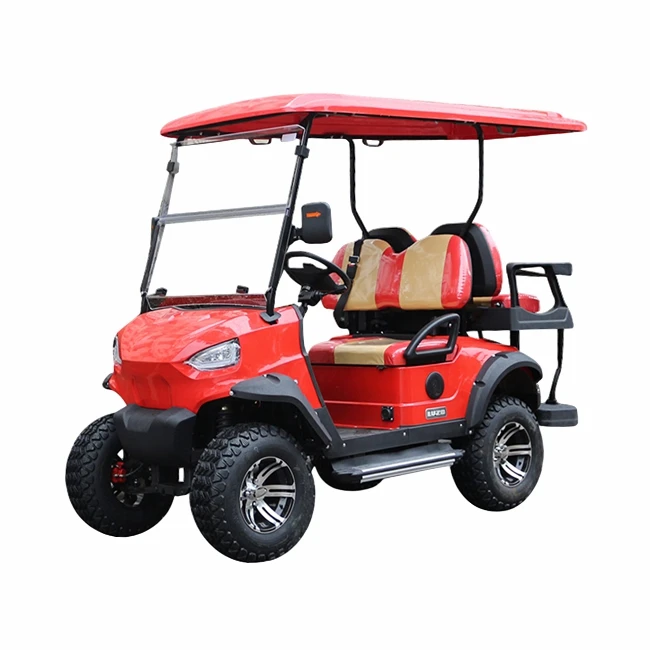
As a supplier of 4 forward seat golf carts, I understand the importance of proper maintenance to ensure the longevity and optimal performance of these vehicles. One crucial aspect of maintenance is checking the fluid levels regularly. In this blog post, I'll guide you through the process of checking the fluid levels in a gas-powered 4 forward seat golf cart.

Why Check Fluid Levels?
Before we dive into the how-to, let's discuss why checking fluid levels is so important. Fluids in a golf cart serve various critical functions. Engine oil lubricates the engine's moving parts, reducing friction and preventing wear and tear. Coolant helps regulate the engine's temperature, preventing overheating. Transmission fluid ensures smooth gear shifts and proper operation of the transmission system. Brake fluid is essential for the proper functioning of the braking system, which is crucial for safety. By regularly checking these fluid levels, you can catch potential problems early and avoid costly repairs down the road.
Tools You'll Need
To check the fluid levels in your gas-powered 4 forward seat golf cart, you'll need a few basic tools:
- A clean rag or paper towels
- A dipstick or fluid level indicator (usually provided with the vehicle)
- A funnel (for adding fluids if necessary)
- A pair of safety gloves
Step-by-Step Guide to Checking Fluid Levels
Engine Oil
- Park the Golf Cart on a Level Surface: Make sure the golf cart is parked on a flat, level surface and the engine is turned off. This ensures an accurate reading of the oil level.
- Locate the Oil Dipstick: Open the hood of the golf cart and locate the oil dipstick. It is usually marked with a bright color or the word "Oil."
- Remove the Dipstick and Wipe It Clean: Pull out the dipstick and wipe it clean with a rag or paper towel. This removes any old oil and gives you a clear reading.
- Reinsert the Dipstick and Check the Oil Level: Insert the dipstick back into the oil reservoir all the way and then pull it out again. Check the oil level on the dipstick. There are usually two marks on the dipstick: a low mark and a high mark. The oil level should be between these two marks. If the oil level is below the low mark, you need to add oil.
- Add Oil if Necessary: If the oil level is low, use a funnel to add oil to the oil reservoir. Check the owner's manual for the recommended type and amount of oil. Add the oil slowly and check the level frequently with the dipstick until it reaches the appropriate level.
Coolant
- Allow the Engine to Cool Down: Before checking the coolant level, make sure the engine has cooled down completely. Hot coolant can cause serious burns.
- Locate the Coolant Reservoir: The coolant reservoir is usually a translucent plastic tank located near the engine. It is marked with "Coolant" or a similar label.
- Check the Coolant Level: Look at the coolant reservoir and check the level of the coolant. There are usually minimum and maximum marks on the side of the reservoir. The coolant level should be between these two marks. If the coolant level is below the minimum mark, you need to add coolant.
- Add Coolant if Necessary: If the coolant level is low, use a funnel to add coolant to the reservoir. Check the owner's manual for the recommended type of coolant. Add the coolant slowly and check the level frequently until it reaches the appropriate level.
Transmission Fluid
- Refer to the Owner's Manual: The process of checking the transmission fluid level can vary depending on the make and model of your golf cart. Refer to the owner's manual for specific instructions.
- Locate the Transmission Fluid Dipstick or Check Plug: Some golf carts have a dipstick to check the transmission fluid level, while others have a check plug. Locate the appropriate component.
- Check the Fluid Level: If your golf cart has a dipstick, remove it, wipe it clean, reinsert it, and then pull it out again to check the fluid level. If it has a check plug, remove the plug and check the fluid level visually. The fluid level should be at the appropriate mark or within the recommended range.
- Add Transmission Fluid if Necessary: If the transmission fluid level is low, use a funnel to add the recommended type of transmission fluid. Add the fluid slowly and check the level frequently until it reaches the appropriate level.
Brake Fluid
- Locate the Brake Fluid Reservoir: The brake fluid reservoir is usually located near the firewall on the driver's side of the golf cart. It is marked with "Brake Fluid" or a similar label.
- Check the Brake Fluid Level: Look at the brake fluid reservoir and check the level of the brake fluid. There are usually minimum and maximum marks on the side of the reservoir. The brake fluid level should be between these two marks. If the brake fluid level is below the minimum mark, you need to add brake fluid.
- Add Brake Fluid if Necessary: If the brake fluid level is low, use a funnel to add the recommended type of brake fluid. Add the fluid slowly and check the level frequently until it reaches the appropriate level.
Tips for Maintaining Fluid Levels
- Check Fluid Levels Regularly: Make it a habit to check the fluid levels in your golf cart at least once a month or before each use, especially if you use the golf cart frequently.
- Use the Right Fluids: Always use the fluids recommended by the manufacturer. Using the wrong fluids can damage the vehicle's components.
- Keep the Fluids Clean: Contaminated fluids can cause problems in the vehicle's systems. Make sure to keep the fluid reservoirs clean and free of debris.
- Inspect for Leaks: While checking the fluid levels, inspect the vehicle for any signs of leaks. If you notice a leak, have it repaired immediately.
Conclusion
Checking the fluid levels in a gas-powered 4 forward seat golf cart is a simple but essential part of maintenance. By following the steps outlined in this blog post, you can ensure that your golf cart's fluids are at the appropriate levels and that the vehicle is running smoothly. Remember, proper maintenance not only extends the life of your golf cart but also ensures your safety on the course.
If you're in the market for a high-quality 4 forward seat golf cart, we have a great selection to choose from. Our 5KW Off Road Golf Car is perfect for off-road adventures, while our 6 Seater Golf Cart Electric is ideal for larger groups. And if you're looking for a more rugged option, our 3000W Electric Golf Cart Jeep is a great choice.
We're always happy to help you find the perfect golf cart for your needs. If you have any questions or would like to discuss your options, please don't hesitate to contact us. We look forward to working with you!
References
- Golf Cart Owner's Manual
- Automotive Maintenance Guides