

As a supplier of 5000w electric golf buggies, I often get asked about the special maintenance requirements for these powerful vehicles. In this blog post, I'll share some insights based on my experience in the industry and the knowledge I've gained from working with these amazing machines.
Understanding the 5000w Electric Golf Buggy
Before delving into the maintenance requirements, it's important to understand what makes a 5000w electric golf buggy unique. The 5000w power rating indicates a relatively high - powered electric motor, which provides more torque and speed compared to lower - wattage models. This makes the buggy suitable for various terrains, whether it's the smooth greens of a golf course or more rugged off - road environments.
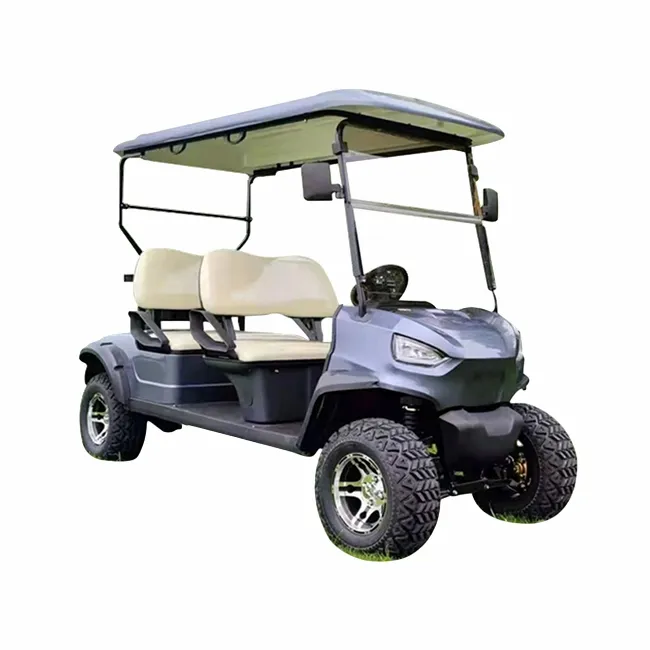
Our company offers a range of 5000w electric golf buggies, including the 5KW Off Road Golf Car, which is designed to handle rough terrains with ease, the 4 Forward Seat Golf Cart for larger groups, and the Electric Golf Carts 6 Seater for even more passengers.
Battery Maintenance
One of the most critical aspects of maintaining a 5000w electric golf buggy is battery care. The battery is the heart of the vehicle, providing the power needed to run the motor.
- Charging Routine: It's essential to follow a proper charging routine. Avoid over - charging or under - charging the battery. Most modern 5000w electric golf buggies come with a smart charger that automatically stops charging when the battery is full. However, it's still a good practice to charge the battery after each use, especially if it has been significantly depleted.
- Battery Inspection: Regularly inspect the battery for any signs of damage, such as cracks, leaks, or corrosion. Check the water level in lead - acid batteries (if applicable) and top it up with distilled water as recommended by the manufacturer. For lithium - ion batteries, monitor the battery management system (BMS) for any error messages.
- Battery Storage: If the golf buggy is not going to be used for an extended period, store the battery properly. For lead - acid batteries, charge them to about 50% - 70% and store them in a cool, dry place. Lithium - ion batteries should be stored at around 50% charge and kept in a temperature - controlled environment.
Motor and Electrical System Maintenance
The 5000w motor and the associated electrical system are what give the golf buggy its power. Proper maintenance of these components is crucial for optimal performance.

- Motor Lubrication: Some motors may require periodic lubrication. Refer to the manufacturer's manual to determine if your motor needs lubrication and what type of lubricant to use.
- Electrical Connections: Check all electrical connections regularly for tightness and signs of corrosion. Loose or corroded connections can cause power loss, overheating, and other electrical problems. Clean the connections with a wire brush and apply dielectric grease to prevent future corrosion.
- Controller Inspection: The motor controller regulates the power flow to the motor. Inspect the controller for any signs of damage or overheating. If you notice any unusual behavior, such as erratic speed or power loss, it may be a sign of a controller issue.
Tire Maintenance
Tires play a vital role in the safety and performance of the golf buggy.
- Tire Pressure: Check the tire pressure regularly using a tire pressure gauge. Incorrect tire pressure can affect the handling, stability, and battery life of the golf buggy. Refer to the manufacturer's specifications for the correct tire pressure.
- Tire Tread: Inspect the tire tread for wear. Worn - out tires can reduce traction, especially on wet or uneven surfaces. Replace the tires when the tread depth reaches the minimum recommended level.
- Wheel Alignment: Proper wheel alignment ensures even tire wear and optimal handling. If you notice that the golf buggy pulls to one side or the tires are wearing unevenly, it may be necessary to have the wheels aligned.
Braking System Maintenance
The braking system is essential for the safety of the passengers and the vehicle.
- Brake Pad Inspection: Check the brake pads regularly for wear. Worn brake pads can reduce braking performance and increase the stopping distance. Replace the brake pads when they reach the minimum thickness specified by the manufacturer.
- Brake Fluid (if applicable): For hydraulic braking systems, check the brake fluid level and condition. Low brake fluid levels or contaminated fluid can affect the braking performance. Top up the brake fluid as needed and replace it according to the manufacturer's schedule.
- Brake Caliper and Rotor Inspection: Inspect the brake calipers and rotors for any signs of damage or wear. Sticking calipers can cause uneven braking and overheating of the brakes.
Chassis and Suspension Maintenance
The chassis and suspension of the golf buggy provide a smooth and comfortable ride.
- Chassis Inspection: Check the chassis for any signs of damage, such as cracks or bent frames. A damaged chassis can affect the structural integrity of the vehicle and pose a safety risk.
- Suspension Components: Inspect the suspension components, such as shocks and springs, for wear and damage. Worn suspension components can cause a rough ride and affect the handling of the golf buggy. Replace any damaged or worn suspension parts as needed.
Regular Cleaning and Detailing
Regular cleaning and detailing not only keep the golf buggy looking good but also help prevent damage to the vehicle.
- Exterior Cleaning: Wash the exterior of the golf buggy regularly with a mild soap and water. Avoid using abrasive cleaners that can scratch the paint or plastic parts. Dry the vehicle thoroughly to prevent rust and corrosion.
- Interior Cleaning: Clean the interior of the golf buggy, including the seats, floor mats, and dashboard. Vacuum the interior to remove dirt and debris, and use a suitable cleaner to wipe down the surfaces.
Conclusion
Maintaining a 5000w electric golf buggy requires a combination of regular inspections, proper charging, and timely maintenance of various components. By following the maintenance tips outlined in this blog post, you can ensure that your golf buggy performs at its best, has a longer lifespan, and provides a safe and enjoyable ride.
If you're interested in purchasing a 5000w electric golf buggy or have any questions about maintenance, feel free to reach out to us. We're here to assist you with all your golf buggy needs and can provide you with more detailed information based on your specific requirements.
References
- Manufacturer's manuals for 5000w electric golf buggies
- Industry standards and best practices for electric vehicle maintenance